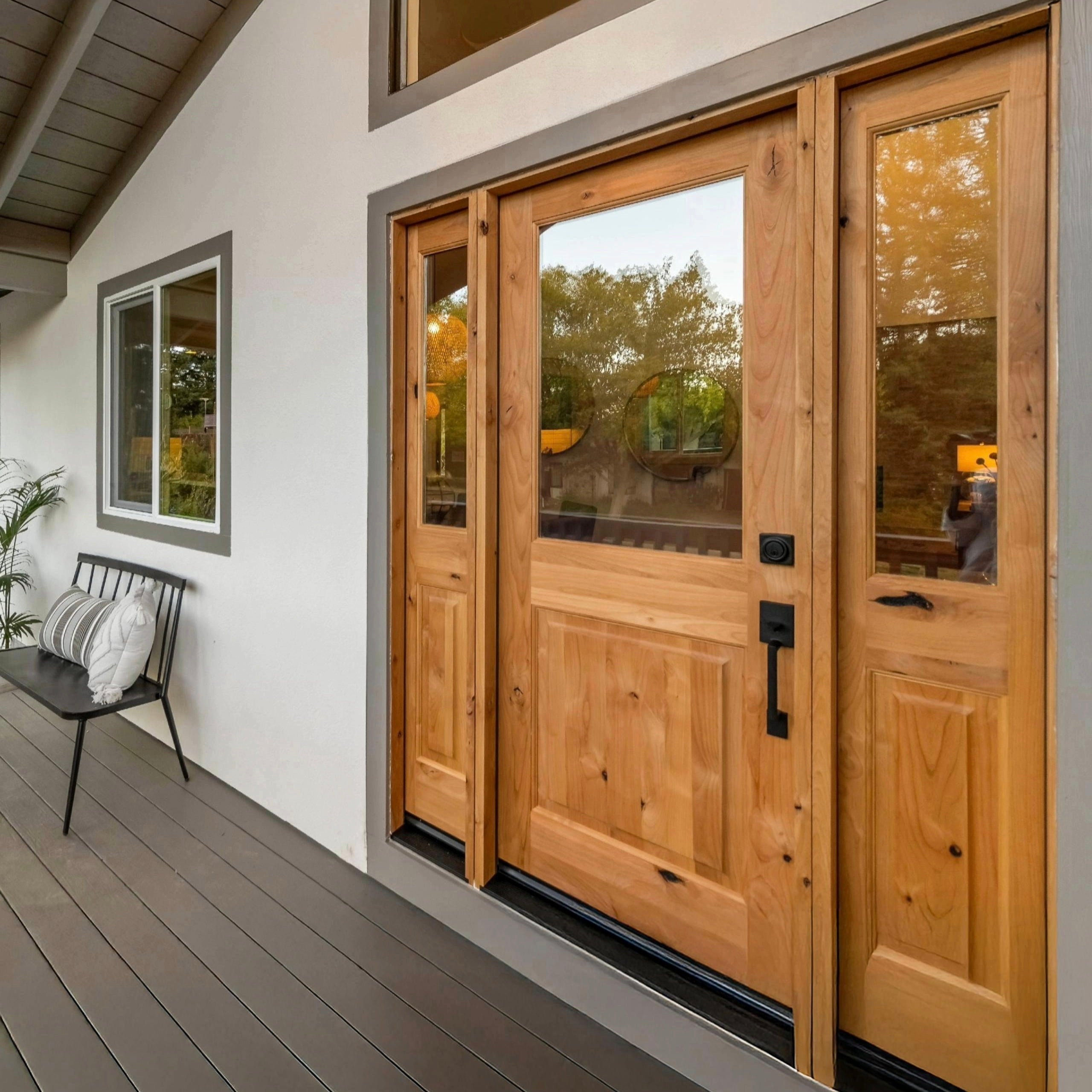
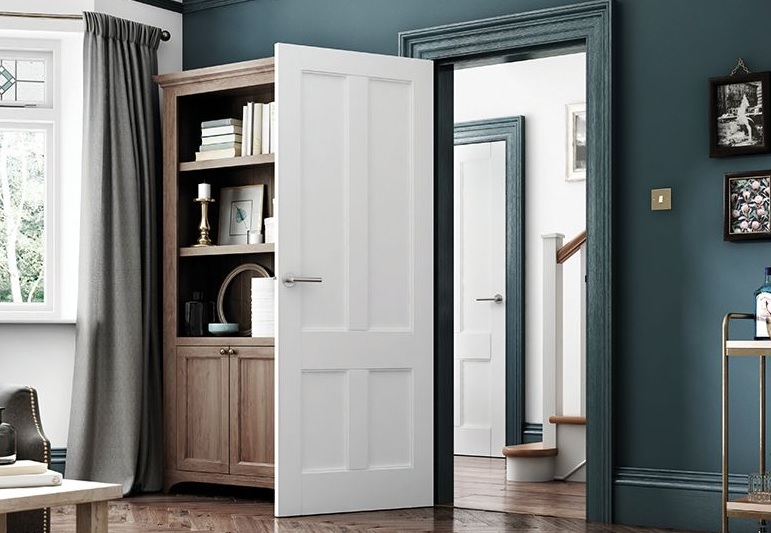
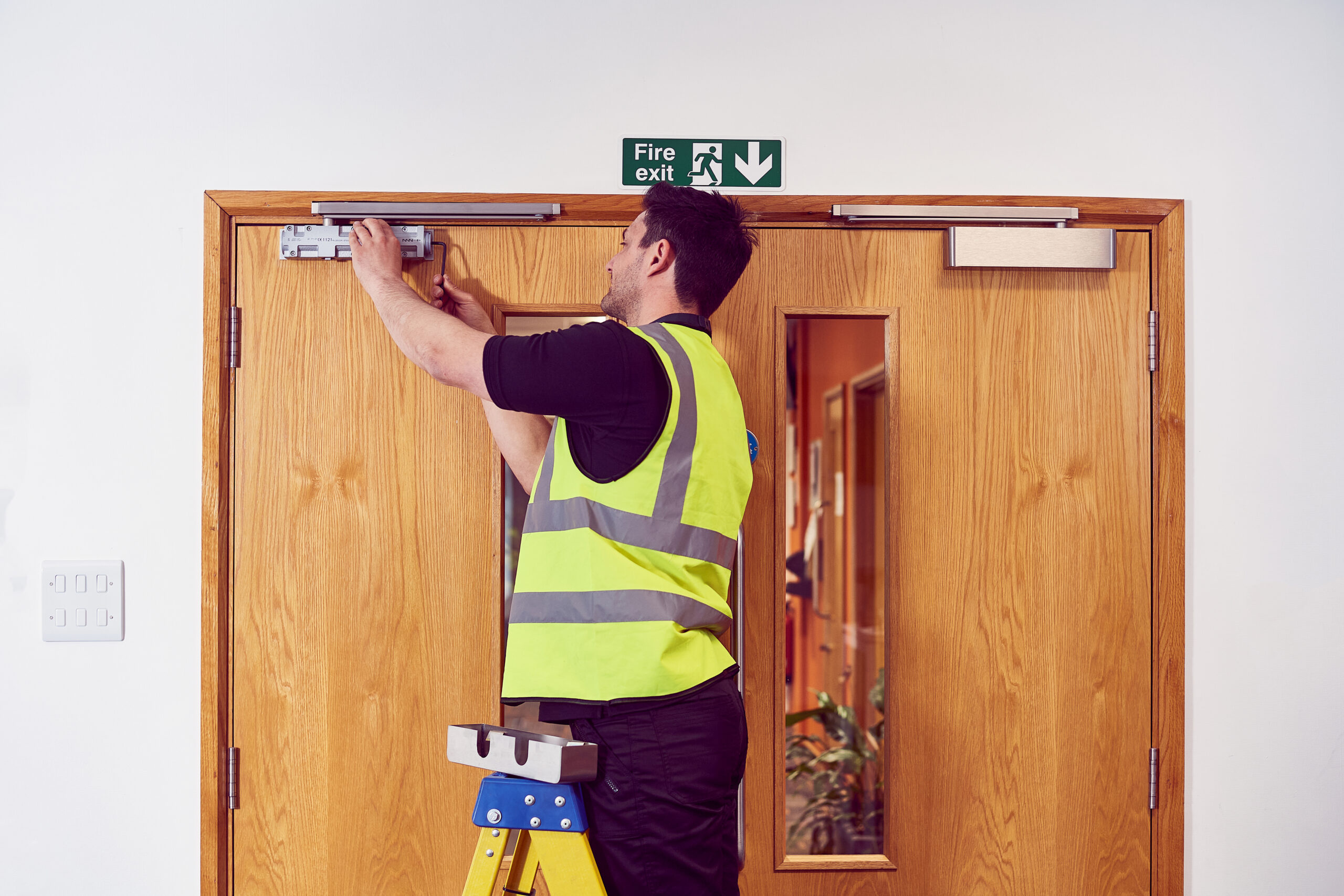
Wood doors offer a timeless blend of beauty, durability, and versatility. Crafted from solid timber such as oak, mahogany, cedar, or ash, these doors bring a natural warmth and unique character to any space, with each piece featuring its own grain patterns and texturesTheir rich aesthetic and ability to be stained, painted, carved, or customized makes them an ideal choice for both traditional and
Getting started with your checklist
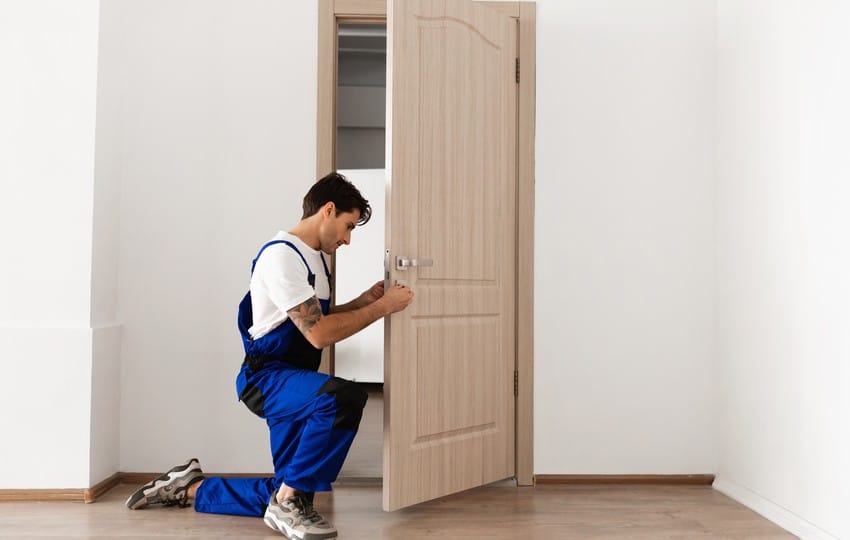
To fit a door you’ll need at least the below items to get you started:
Prop your chosen interior door up against the existing frame and mark with a pencil how much excess will need to be trimmed from the door to get the perfect fit. Trim the excess from the edges of the door (equal amounts from each side), using a wood plane for a small amount or a saw for anything larger.
Tip: when measuring, don’t forget to leave a gap under the door – use small wedges to prop it off the floor.
2. Fit the hinges
Once your door is the correct size, hold the door back up against the frame and mark out where the existing hinges are with a pencil. Then carve out the hinge recess using a chisel and mallet, using stepped cuts.
Tip: If you’re carving out the wood following the direction of the grain, try to make smaller cuts to help prevent the wood from splitting.
Use a hinge to mark the positions of the screws onto the door. Drill in a pilot screw for each hinge and hold the door up against the frame, checking that they’re in the right place. Once certain, proceed with fully drilling in each screw and securing the hinges.
3. Hang the door
With the door up against the frame, not forgetting to raise the door slightly, place a single screw in each hinge, checking that it opens and closes smoothly and doesn’t stick. When you’re happy that the door functions as it should, fix the remaining screws in place.
4. Start the finish
Our Oregon Cottage interior oak door, like many in our range, is provided unfinished so it can be completely customised to the room it’s installed in. You have three options for finishing the door: varnish, stain or paint. Go for paint if you want a bold solid colour, clean white stain if you want to keep the wood effect with a slight tint, or varnish if you want to show off the colour and grain of the wood, but add a sheen coating.
Before adding the chosen finish, make sure the door is clean of any dust. Begin with the panels, then the mouldings, and then the rest of the door. Follow the grain of the wood when painting and avoid drips to prevent a messy finish. Make sure you use a good quality brush and follow the instructions on the tin, as they may vary depending on the type.