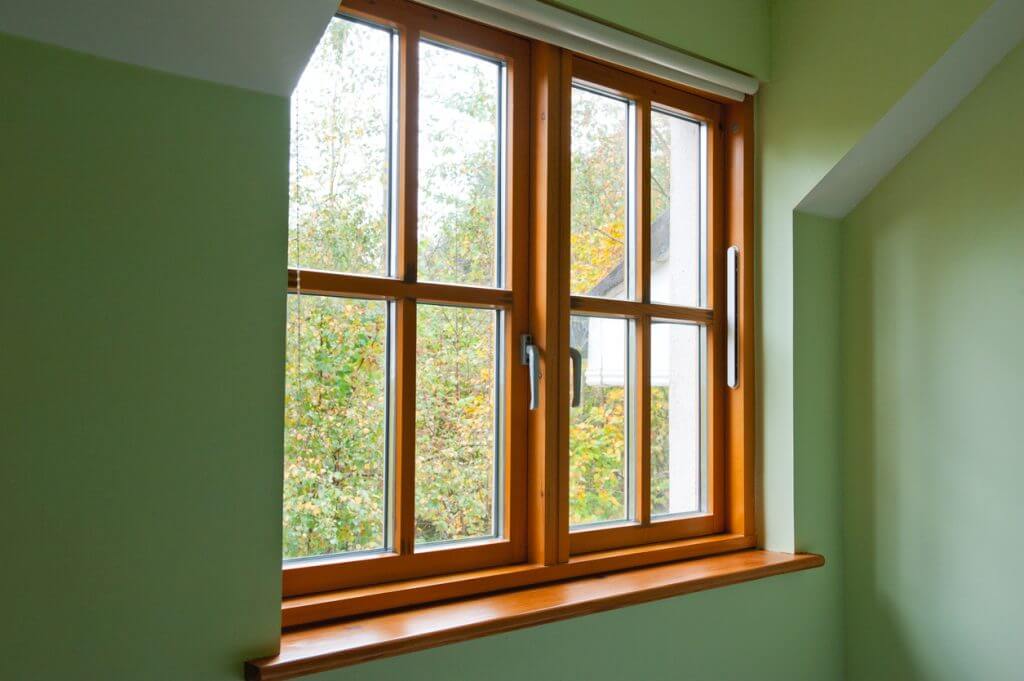
If you’re looking to enhance your home with warmth, charm, and long-lasting quality, wood windows are the perfect choice. Our wood window installation services bring together the elegance of natural materials with precision workmanship to elevate the look and performance of your home—inside and out.
Wood windows have stood the test of time as a premium choice for homeowners who value craftsmanship, beauty, and insulation. Whether you’re renovating a historic home or upgrading your current space, wood windows offer a balance of classic style and modern energy efficiency.
How to install wood windows?
Wood windows, just like any other windows, need to be well installed or they won’t fully serve their purpose. Incorrectly installed wood windows can make them leak and be damaged. How to install wood windows to make them last for years? Let’s find out!
IMPORTANT: It is best to have wood windows installed by a fitting company whose employees have the required qualifications. The following article is not a manual for the installation of wood windows, but a collection of hints for the installation of windows. It is worth knowing how the installation work should look like.
Wood windows installation
As we mentioned before, the correct installation of a wood window is a condition of its proper functioning. Incorrect installation may cause problems with opening and closing the window, condensation on the pane or even rotting of the wood frames. Although installation work should be carried out by professionals, it is worth knowing how it should be done.
ATTENTION: The installation of wood windows should be carried out after the plastering and flooring is completed. Excessive moisture adversely affects the wood.
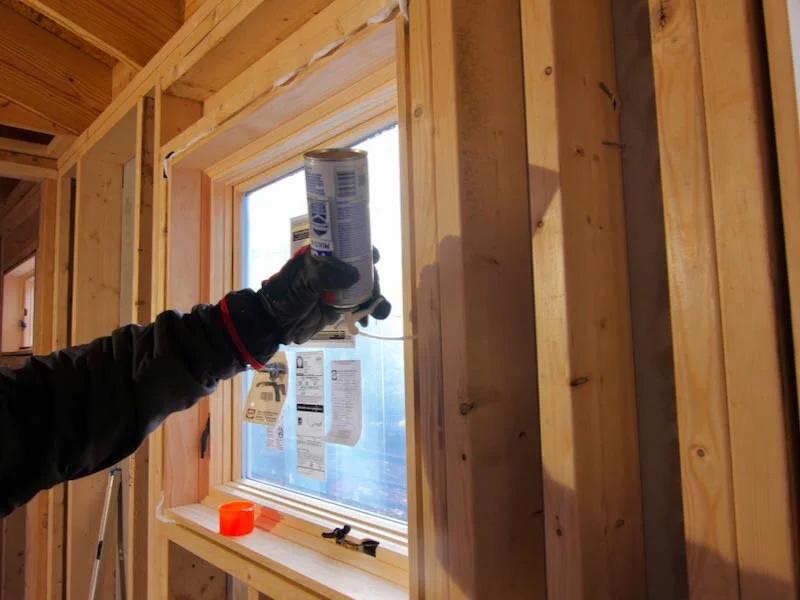
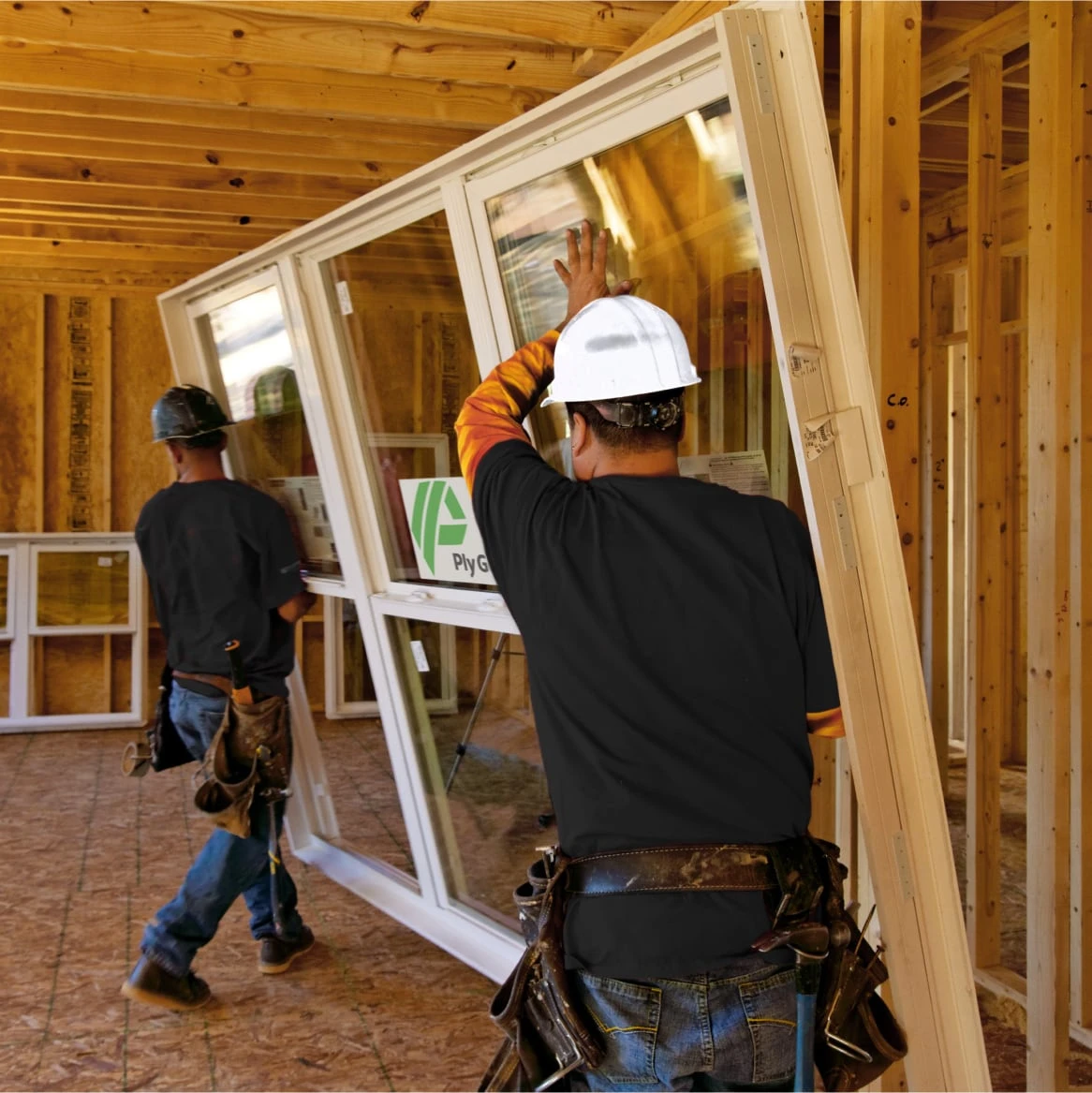
How to install wood windows step by step
Before inserting the window, it is important to check that the opening of the reveal has the correct size. Its width should be 2 to 3 cm greater than the width of the frame, its height 3.5 to 5 cm greater than the height of the frame. Then, the position of the frame in the wall has to be cleaned, the window sashes have to be removed from the frame and the frame has to be inserted into the opening, resting on timber support blocks in such a way that each block is placed under each vertical profile.