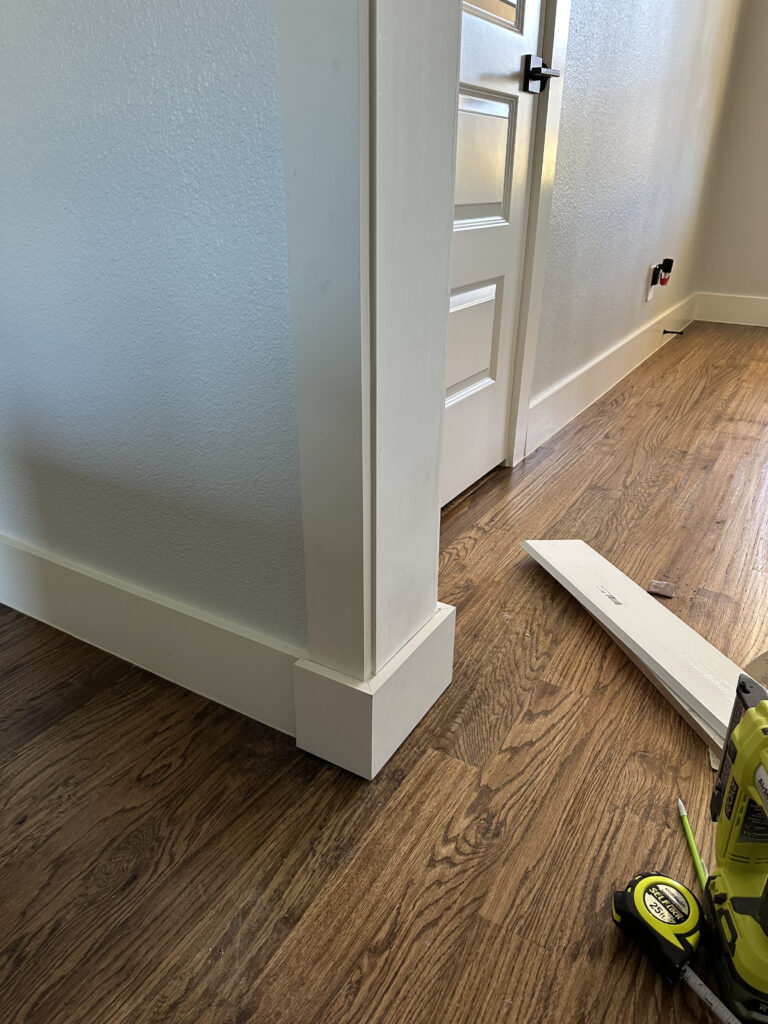
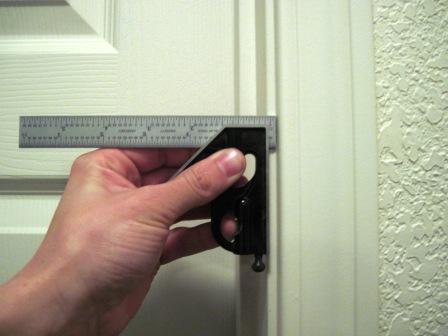
Installing door trim, also known as casing, not only creates a polished finish by hiding the gap between the wall and door jamb but also enhances the aesthetic appeal of any room. The process begins with precise measurements—start by marking a consistent reveal around the jamb using a combination square to guide placement Whether using pre-cut kits or custom lumber, cut the side casings to length (square cut at the bottom) and the top or head casing with 45° miters to meet the sides neatly
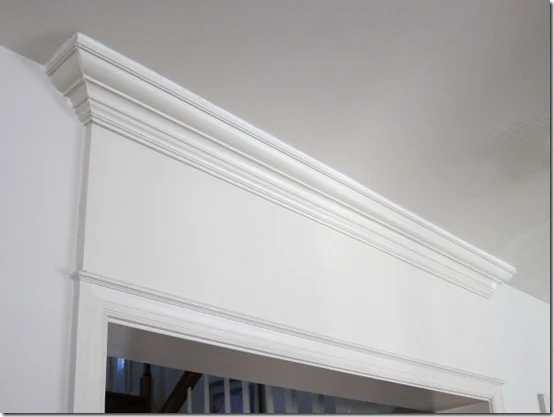
Door trim has been a staple of interior design for several centuries now. It was originally used to cover the gap between the aperture in a wall for a door or window and then, inevitably, became a more decorative feature.
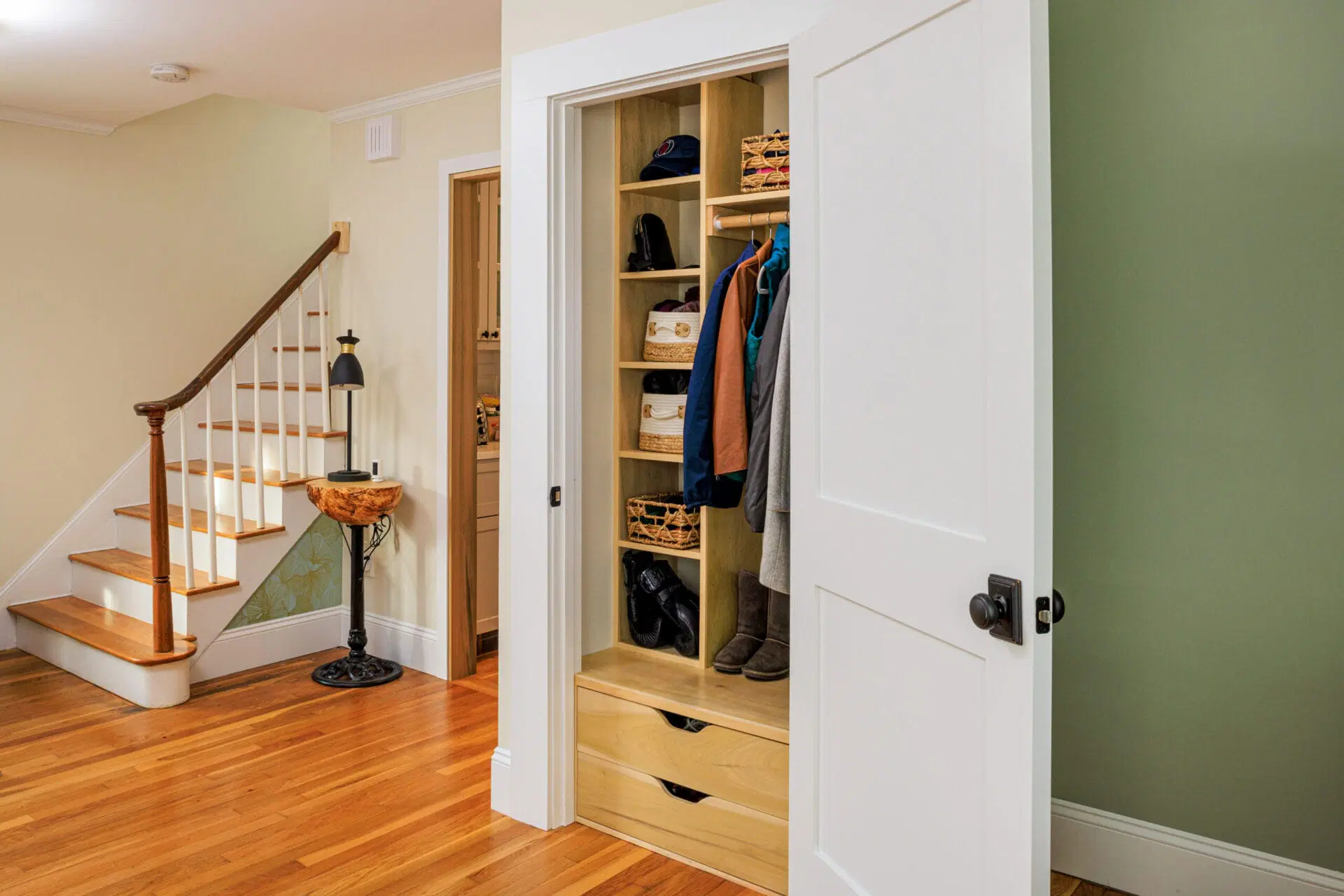
When choosing your door trim, try to find some that compliments and works well with any coving, skirting and dado railing that the room contains. Once installed, you can be as creative as you like with colour – white is standard, even with walls or wallpaper of a different colour, but painting trim the same colour as the room instills a pleasingly unified aesthetic.

The size, style, and type of trim might affect the length of nails you’ll need. Thick trim pieces may require longer nails to secure them to the wall. If you want extra security in your doorway trim make sure you have a drill, drill bits, and 3d nails on hand to strengthen the connection between the corners of your three pieces.
What’s our biggest tip for learning how to install door trim? Precise cuts. Using the miter saw to make clean cuts ensures the finished woodwork is tidy and secure.
Finally, if you’re planning on staining or painting your trim, finish your trim before installation. It’s easier to sand, stain, or paint the pieces on the floor than on the wall. After installing the pieces, touch up any nicks or smudges made by the nail gun or miter saw.
A successful installation starts with proper prep work. Follow these preliminary steps: