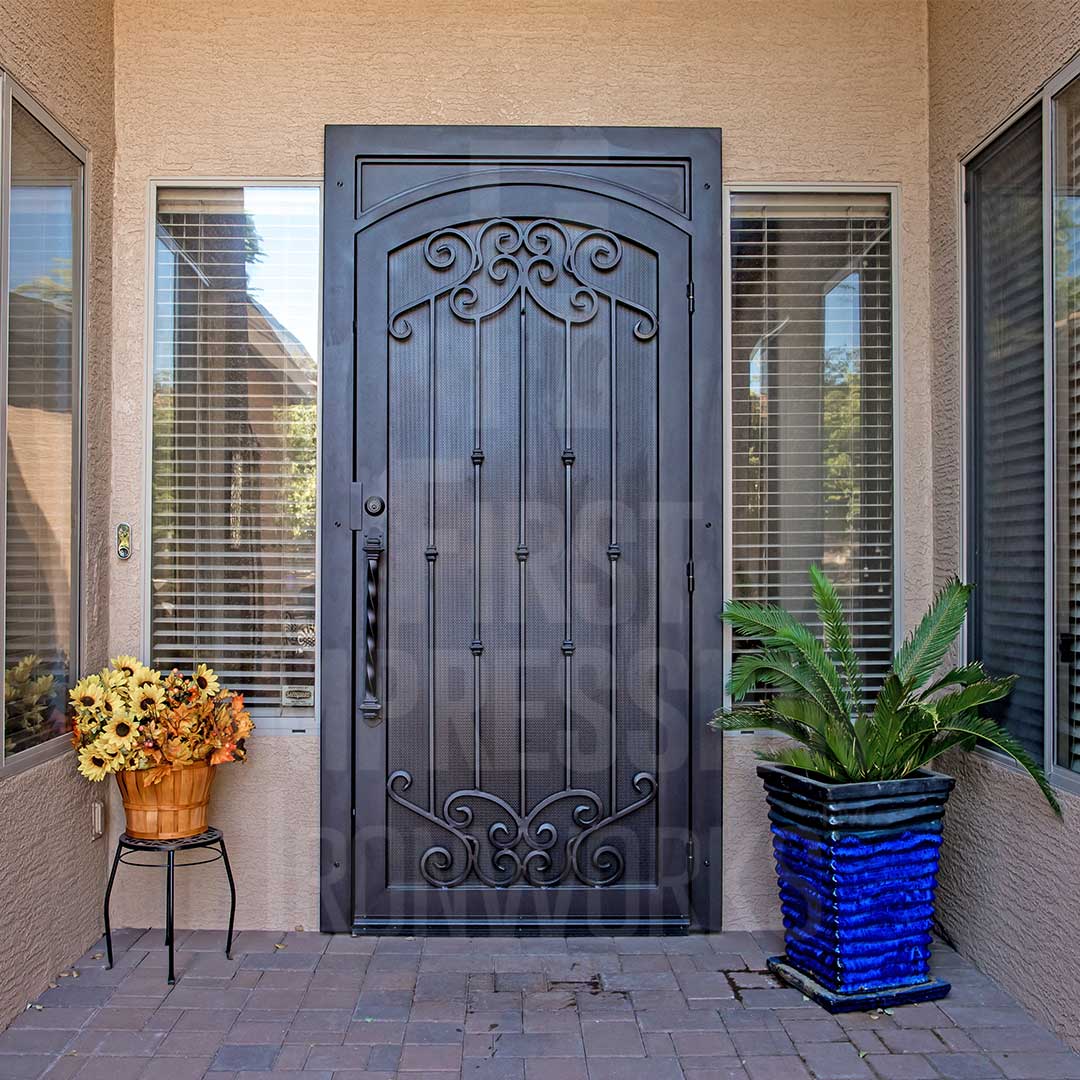
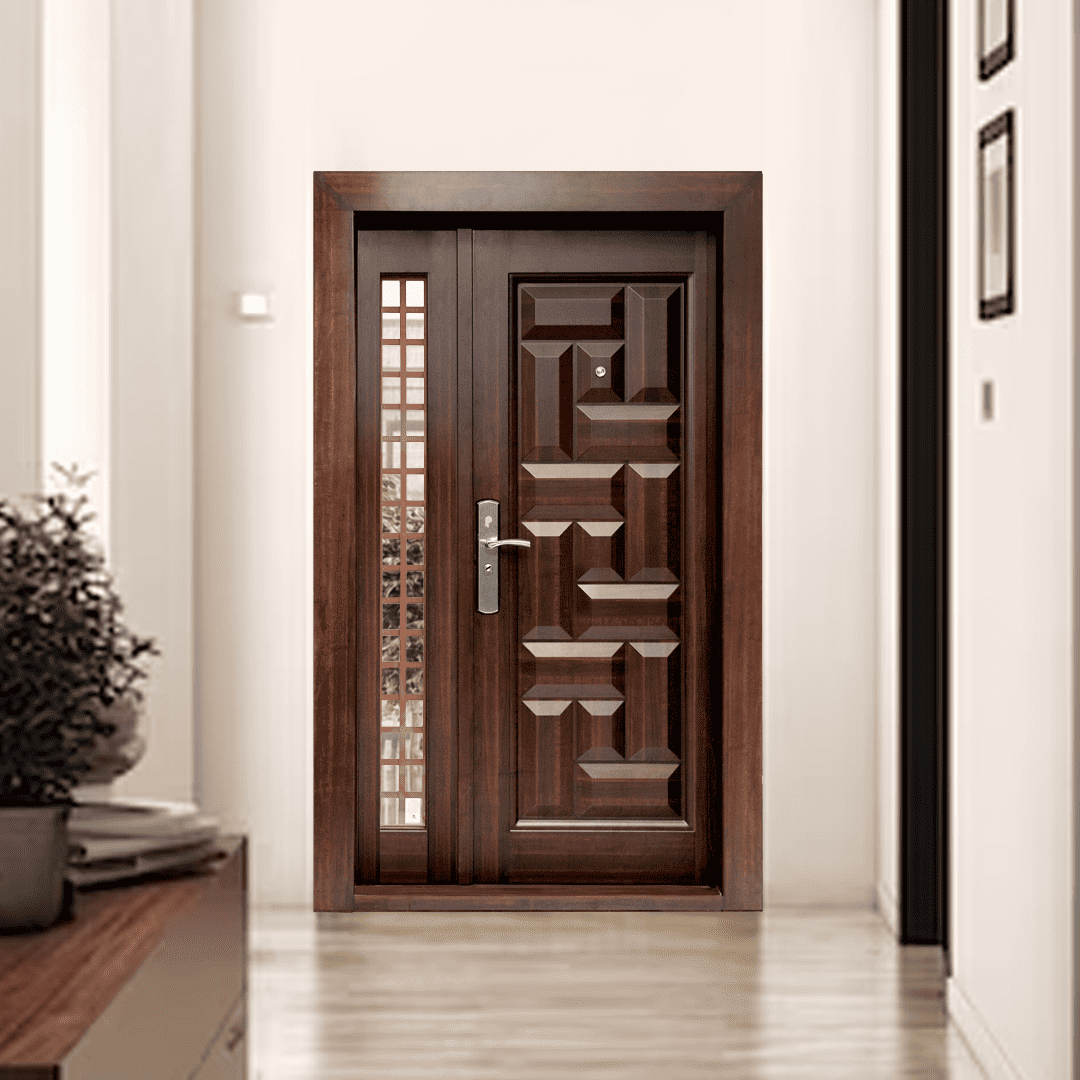
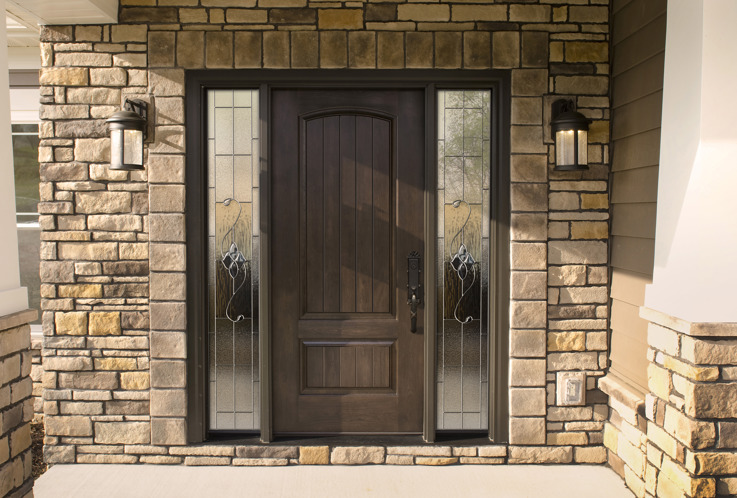
A door installation service is a professional offering that ensures the entire process of fitting a new door is handled accurately, securely, and efficiently. The service typically involves:
Accurate measurement and preparation of the opening, trimming the door slab or adjusting the frame when necessary
Recessing hinges, aligning the door plumb and level, and correctly spacing it for smooth operation and proper clearance from the floor
Installing hardware, such as handles, locks, and strike plates, ensuring correct backset alignment, secure fixing, and functional operation
Each installation type addresses different needs—whether it’s space optimization, aesthetic transformation, budget considerations, or functional upgrades. Matching door type and installation method to your structural conditions, design goals, and budget ensures a solution that is both beautiful and long-lasting. Let me know if you’d like advice on tools, materials, or professionals for a specific installation type!
Securing the frame, using precise placement of shims, fasteners, and sealants to provide weatherproofing, energy efficiency, and structural integrity
Timely repairs of damaged door frames bring significant long-term benefits. Fixing issues like cracks, rot, or misalignment early prevents more costly problems down the line—such as structural instability, pest infestations, and severe water damage
Weatherstripping is the process of sealing gaps around movable building components—like doors and operable windows—to prevent drafts, moisture, pests, and noise from entering your homeProper sealing keeps conditioned air inside, reducing energy usage and lowering utility bills by 10–20% annually.
Locks and handles are your first line of defense and daily convenience. For exterior doors, deadbolts, mortise locks, and smart/electronic keypads are the top choices—deadbolts offer Grade 1 security, while smart locks add flexibility like remote access
Begin by removing any existing trim and cleaning the jamb area. Use a tape measure to determine the reveal—typically around 3 mm (⅛”)—between the jamb edge and the trim. Accurately measure the length of the vertical jambs and the header before cutting your casing pieces. When cutting miters, always “measure twice, cut once”—use a sharp 45° blade for clean edges
Most minor door issues—squeaks, latches, drafts—are easy to handle with minimal tools. Yet, identify the root cause before diving in, and don’t hesitate to call a pro for safety-critical or complex repairs. Keeping door maintenance regular saves effort, frustration, and expense in the long run.