Drafty windows and doors don’t just make your home uncomfortable—they waste energy and cost you money. Our expert weatherstripping and sealing services help eliminate air leaks, improve energy efficiency, and enhance indoor comfort. Whether you’re preparing for winter, reducing AC bills, or just tightening up your home’s envelope, we’ve got you covered.
What Is Weatherstripping & Sealing?
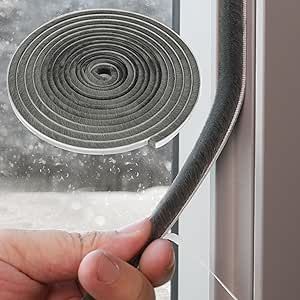
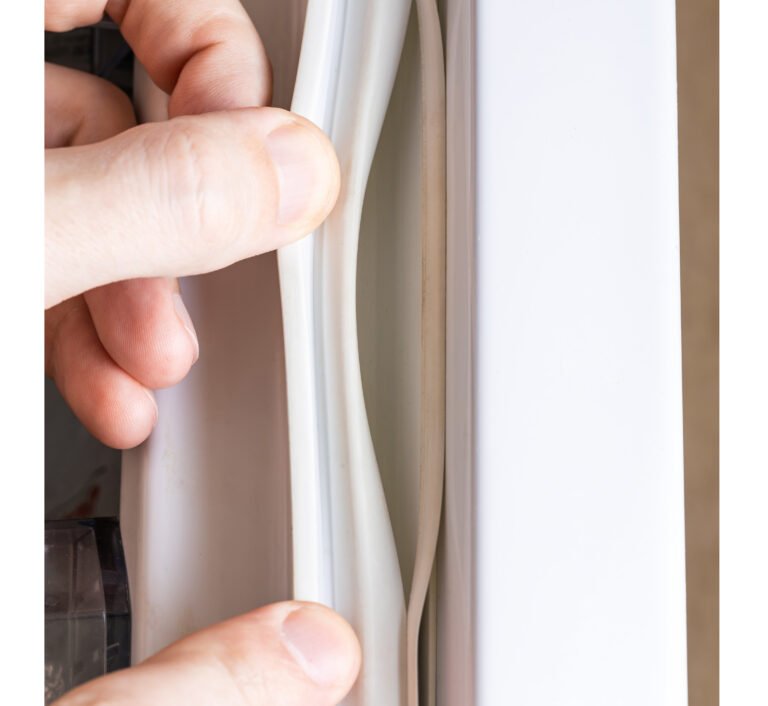
Weatherstripping involves applying flexible materials (rubber, foam, vinyl, or felt) around the movable parts of windows and doors to block air infiltration.
Sealing uses caulk or sealant to close up gaps, cracks, and joints in window frames, sills, thresholds, and other fixed structures.
The Benefits Of A Door Seal
Doors seals are a great solution to seal the door in question and can offer many benefits.
Draught and weather proofing being one of them, as the door seal can actually improve the energy efficiency of your home or office. This is because the door seal closes the gap meaning the door will not suffer from draughts and will result in you being able to keep your costs low.
A door seal can also offer acoustic protection, as the door has been sealed off. If you live in a shared house or building, then acoustic rated seals can be ideal to minimise the sound transmission between areas. For anyone looking to provide private spaces, such as doctors surgeries or meeting rooms within an office, then an acoustic door seal can ensure the privacy of conversations that take place inside.
Inspect for Physical Damage
Checking for physical damage to your window and door frames can help identify issues with insufficient weatherstripping. Warping, rotting or bending within these frames can create gaps that allow air to pass through. Although replacing these weatherseals can help seal the gap, extensive damage may require more significant repairs or replacement.
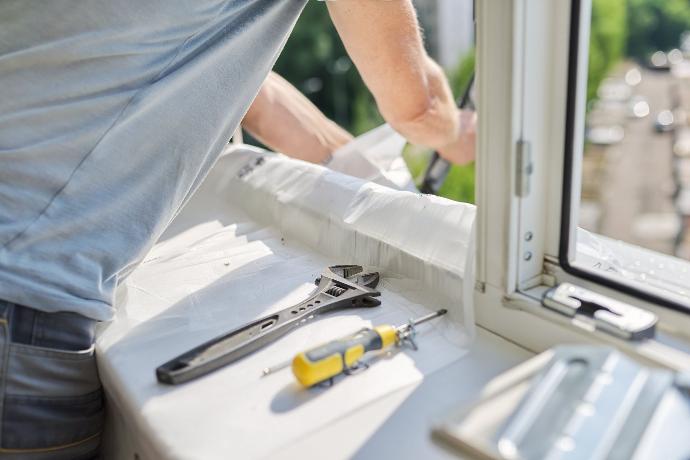
Whilst replacing window seals and weatherstrips is considered a DIY job, it is sometimes necessary to consult a glazing professional.
Condensation on the Window Panes
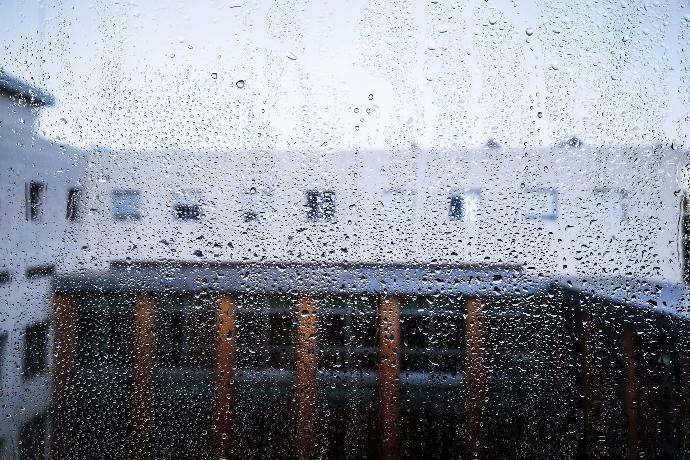
During the colder winter months, you can look for signs of excessive condensation near the edges of windows and doors. These can be indicators of air leaks as the cold moist air enters through gaps around the window panes.
Condensation forms when moist air comes into contact with the cooler surface of the window pane, causing the moisture in the air to condense into water droplets.